What Is Vertical Tiling?
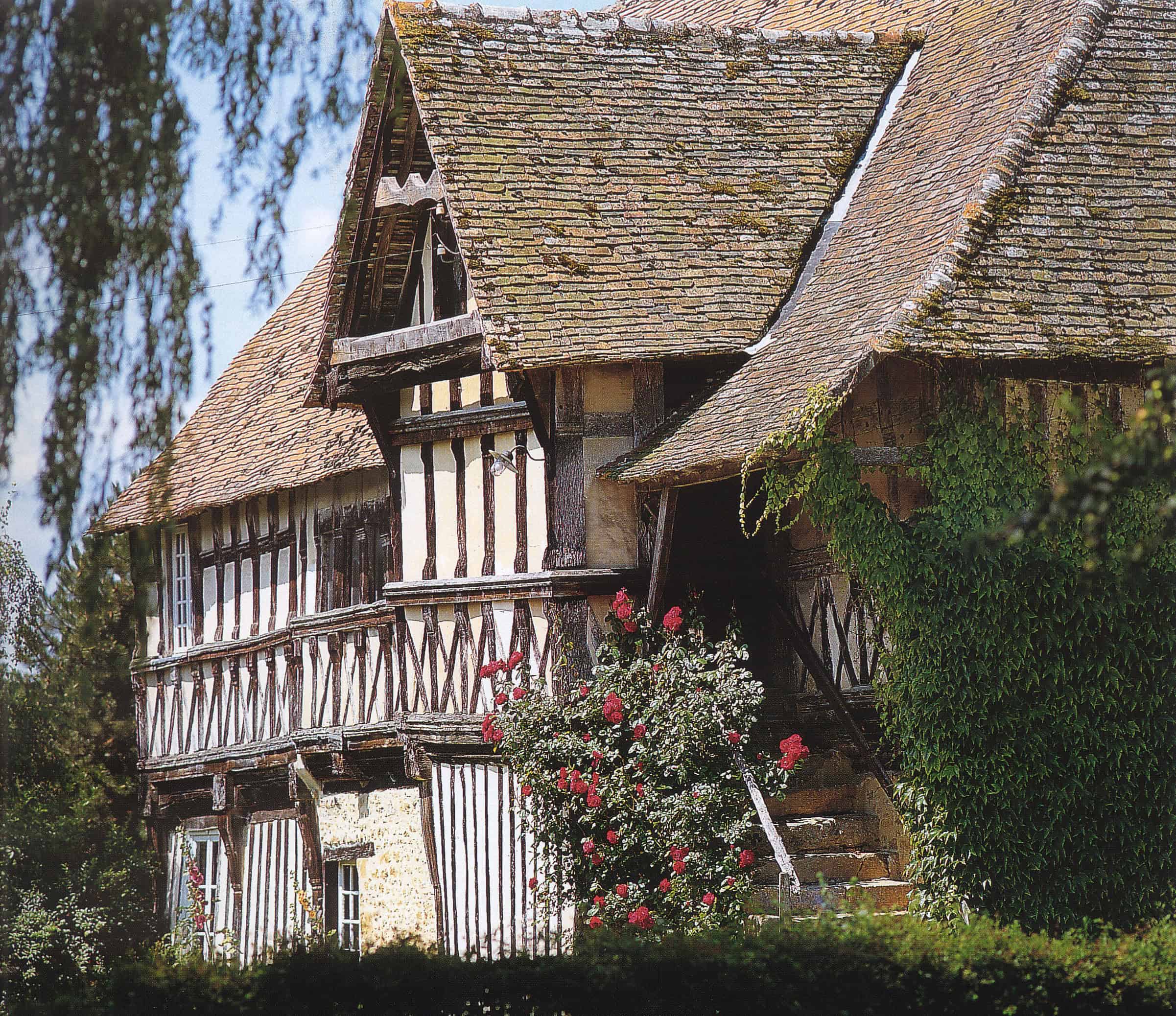
Vertical tiling is the practice of using roof tiles on walls — usually gables, dormers, or upper-story façades — to create a seamless and weatherproof continuation of the roofline. This tradition, deeply rooted in English and European architecture, blurs the line between wall and roof, adding warmth, texture, and depth to a building’s exterior.
It’s common on Tudor, Arts & Crafts, and countryside cottages — but modern architects are rediscovering it as a way to introduce timeless character to contemporary designs.
Why Choose Clay Roof Tiles for Walls?
Clay roof tiles aren’t just beautiful; they’re a remarkably durable cladding material. When installed vertically, they offer:
- 🧱 Durability: Fired clay is frost-resistant, colorfast, and designed to last over a century.
- 🌧 Weather Protection: Tiles naturally shed rainwater and protect wall assemblies from the elements.
- 🎨 Design Flexibility: From hand-pressed English Shingles to sleek modern Plana tiles, you can match or contrast the roof for visual impact.
- 🔥 Fire Resistance: Clay tiles are non-combustible — a valuable advantage over wood or synthetic sidings.
- 🌿 Sustainability: Made from natural clay and minerals, they’re an environmentally responsible cladding choice.
Where Vertical Tiling Works Best
Vertical tiling is ideal for:
- Gable ends and dormer faces
- Upper-story walls on timber-frame or half-timber buildings
- Contemporary facades where designers want material continuity
- Transitional zones between roof and wall — particularly where weather exposure is high
In northern climates like Canada and the northern United States, vertical tiling adds an extra layer of insulation and weather resistance — while keeping the aesthetic rooted in tradition.
Installation Considerations
While many of the same principles apply as on a pitched roof, vertical applications require specific attention:
- Battens & Counter-battens: Proper spacing and ventilation are essential to prevent trapped moisture.
- Underlayment: A breathable but waterproof membrane helps protect the wall structure.
- Fixings: Nails or screws must be corrosion-resistant; stainless steel is best.
- Eaves & Verge Detailing: Flashings and trims should ensure rainwater drains freely without backflow.
- Weight Considerations: Walls may need additional support framing or sheathing compared to lightweight sidings.
Northern Roof Tiles often works directly with architects and contractors to specify the correct batten layout and fixing methods for each tile style — whether you’re using English Shingle tiles, French interlocking tiles, or classic Flemish formats.
Design Inspiration
Some of the most charming examples of vertical tiling come from English villages, where rich red and weathered brown shingles climb seamlessly from roof to wall. In the US, we’ve seen beautiful adaptations — from East Coast heritage restorations to Colorado mountain homes using Dreadnought or Tudor tiles in subtle mixed tones.
Vertical tiling isn’t limited to rustic architecture. Smooth, flat clay tiles like the Tejas Cobert Plana or Edilians Diamant create modern, clean façades with precise shadow lines and natural clay color variation that can’t be replicated with metal or fiber-cement panels.
Choosing the Right Tile
The best tiles for vertical applications are typically:
- Flat or Shingle Tiles (e.g., English Shingle, Tudor, or Edilians Huguenot 20×30)
- Small Format Interlocking Tiles (e.g., Edilians Giverny or Beauvoise)
- Lightweight Pan Tiles for decorative gable treatments
Each tile has unique dimensions and overlap requirements — our team can help you determine the right choice for your project’s slope, exposure, and design intent.
Final Thoughts
Vertical tiling is both a nod to tradition and a forward-thinking design choice. It enhances a building’s durability while adding depth and artistry to its façade. Whether you’re restoring a heritage home or designing a new project, clay roof tiles offer an enduring and versatile solution.
At Northern Roof Tiles, we supply both traditional and modern clay tiles from Europe — and we’re always happy to help architects, designers, and homeowners bring their vision to life.
Contact Northern Roof Tiles to learn more about suitable tiles, technical details, or to request samples for your vertical tiling project.