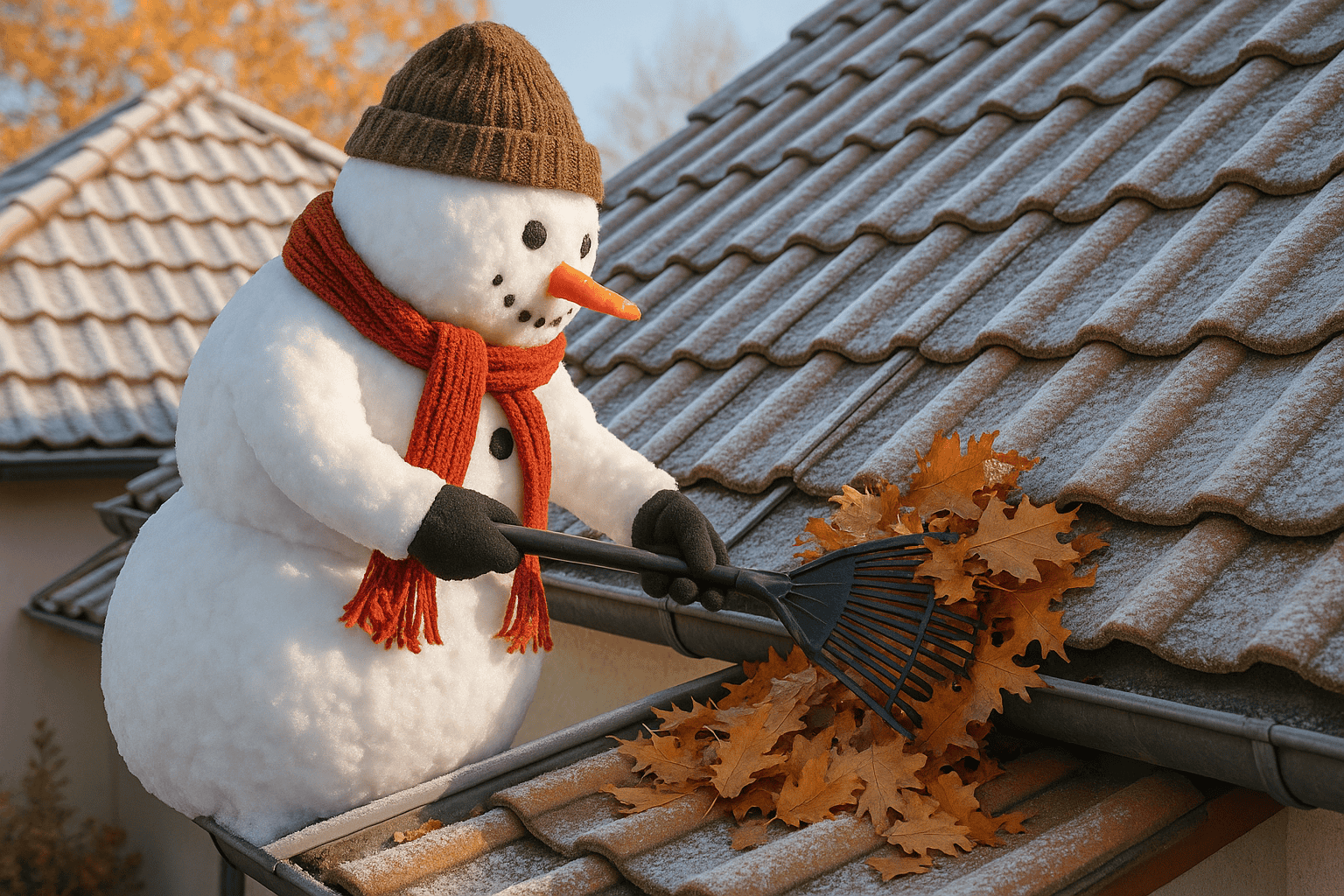
A well-maintained clay roof can handle winter weather with ease—but only if it’s properly prepared. As temperatures drop and rain, snow, and ice start to arrive, a quick seasonal check can prevent small issues from becoming expensive repairs. Whether your home features classic clay interlocking tiles, handmade barrels, or reclaimed tiles full of character, here’s how to get your roof winter-ready.
1. Clear Leaves and Debris Before the First Freeze
Autumn leaves may look pretty, but they’re a real problem if they sit on a clay roof through winter. Wet debris holds moisture, encourages moss growth, and can even redirect water where it shouldn’t go.
What to do:
- Safely sweep or blow off loose leaves and branches.
- Check valleys, hips, and around chimneys—these spots trap debris the fastest.
- Make sure your gutters and downspouts are fully clear before freezing temperatures arrive.
If you’re not comfortable being on the roof, a roofer or maintenance professional can usually do this quickly and safely.
2. Inspect for Loose, Slipped, or Damaged Tiles
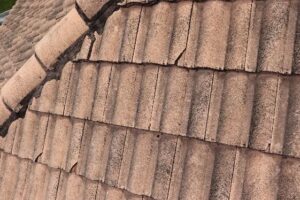

Winter storms are tough on any roof, and clay tiles—though extremely durable—work best when everything is locked into place.
Check for:
- Tiles that have shifted out of alignment
- Cracks from impact or past weather events
- Missing pieces near ridges, hips, or eaves
- Mortar cracks on older ridge/Hip systems
Even a single slipped tile can allow water intrusion and freeze-thaw damage. If something looks off, now’s the time to repair it—not in the middle of a January downpour.
3. Ensure Water Can Flow Off the Roof Properly
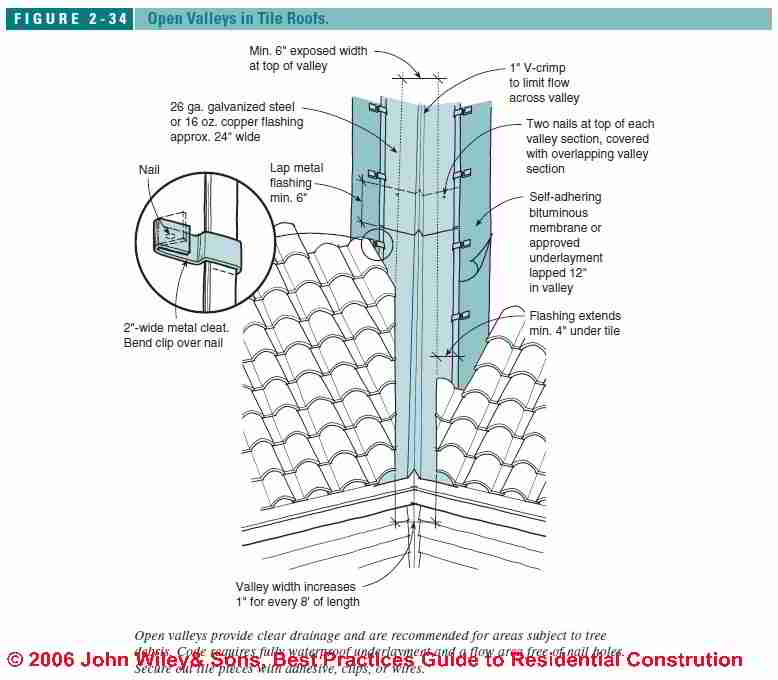
Standing water is the enemy of any roof—especially in freezing climates. You want melt water, rain, and snow runoff to flow freely.
Focus on:
- Valleys – Clear of leaves, nests, or moss
- Eaves – Check for sagging gutters or ice-dam risk areas
- Downspouts – Make sure they drain well away from the house
If water backs up behind debris or ice dams, it can push under tiles and soak your underlayment.
4. Trim Overhanging Branches
Trees are beautiful, but falling branches, shade, and constant leaf drop aren’t ideal for clay roofs.
Why trimming helps:
- Reduces debris accumulation
- Prevents branches from scraping tiles during storms
- Allows more sunlight to keep the roof dry
This is especially helpful in damp climates like the Pacific Northwest.
5. Look for Early Signs of Moss or Algae
Clay tiles resist weather extremely well, but in shady or moist areas, moss can form over time.
Before winter:
- Remove small patches with a gentle brush
- Avoid harsh pressure washing—this can damage tiles
- Consider zinc or copper strips along the ridge to discourage regrowth
Spot-treating moss now prevents a bigger cleanup in spring.
6. Check Flashings, Ridges, and Sealants
Your tiles shed water, but flashings do the precision work around chimneys, skylights, walls, and penetrations.
Look for:
- Lifted or rusty flashing
- Mortar that’s cracked or missing on older installations
- Gaps around skylights or vents
These areas should be watertight heading into winter.
7. Schedule a Professional Inspection if Needed
If your roof is older, reclaimed, or has had previous issues, a fall inspection is an excellent investment. A professional can spot subtle problems like underlayment deterioration, improperly seated tiles, or flashing issues that aren’t visible from the ground.
Final Thoughts: A Little Prep Goes a Long Way
Clay roofs are some of the longest-lasting roofing materials in the world—often lasting a century or more. But like any premium product, they benefit from a little seasonal care.
By clearing debris, checking tiles, ensuring proper water flow, and addressing small issues early, you’ll help your clay roof perform flawlessly all winter long.
If you’re unsure about a loose or damaged clay tile—or need help identifying a tile for repairs—Northern Roof Tiles / Roof Tile Solutions can help. Just send photos, and we’ll identify and source the right match.
Do clay roof tiles need special maintenance before winter?
Yes. Clay tiles are durable, but clearing debris, checking for loose or cracked tiles, and ensuring proper drainage helps prevent freeze-thaw issues.
How do I safely remove leaves from a clay tile roof?
Use a leaf blower on a low setting or a soft brush. Avoid pressure washing or harsh scraping, which can damage the tiles.
What happens if water gets under a clay tile before freezing weather?
Water trapped beneath tiles can expand as it freezes, potentially lifting tiles or damaging underlayment. That’s why proper drainage and debris removal are essential.
How do I know if my clay tiles are loose?
Look for tiles that appear shifted, lifted, drooping, or sitting unevenly. From the ground, gaps along the rows are also a clue.
Should I remove moss before winter?
Yes. Moss traps moisture and worsens freeze-thaw cycles. Treat small patches with a soft brush or a roof-safe moss killer—never pressure wash a clay roof.
Can I walk on a clay tile roof?
It’s risky unless you’re trained. Clay tiles can break under uneven pressure. When in doubt, call a roofer for inspections or maintenance.